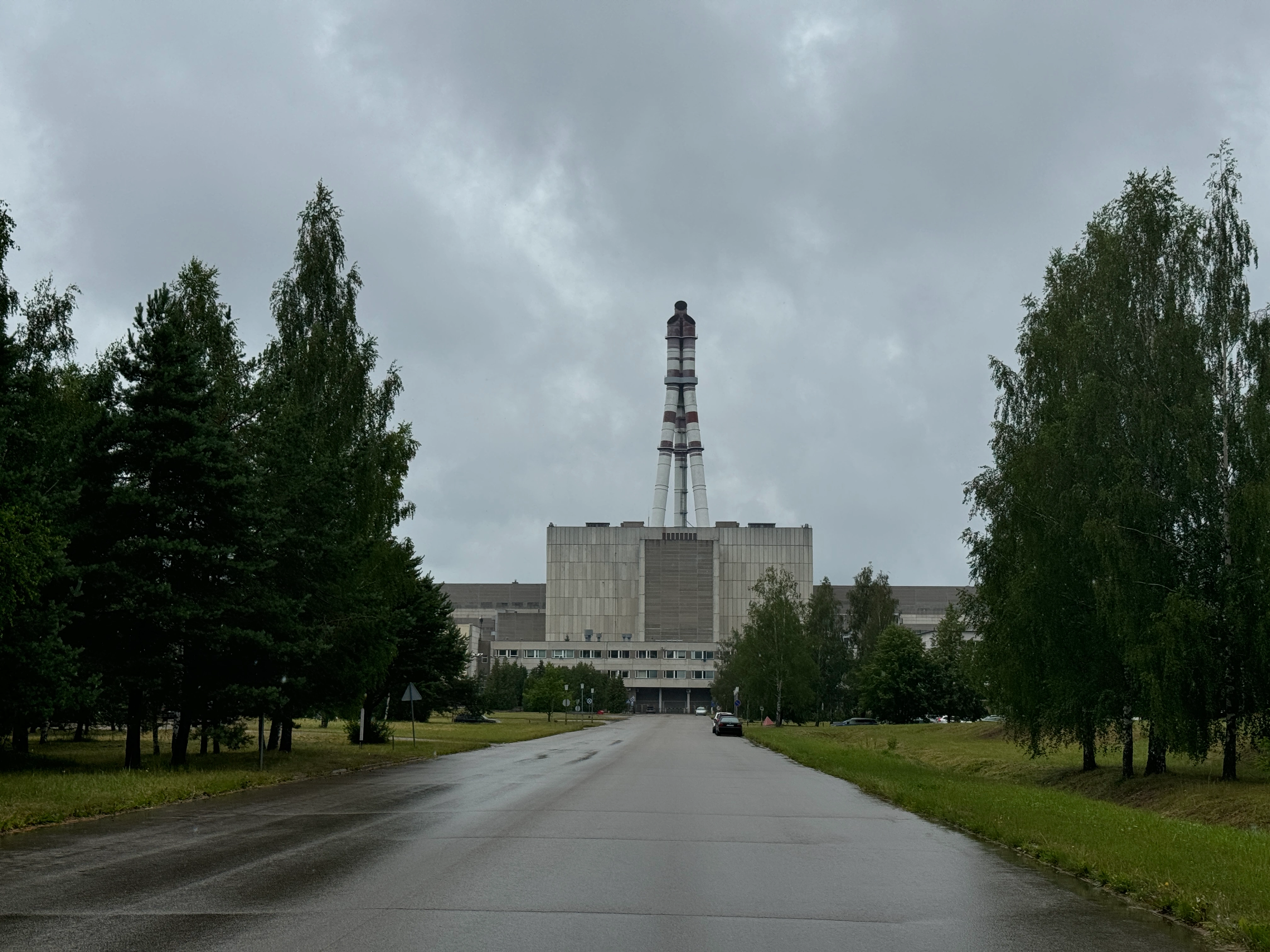
The infrastructure of the former Soviet Union stands as a profound testament to the colossal ambition and centralized planning of the 20th century. Designed to connect a vast empire and conquer the natural environment, the state poured unimaginable resources into epic engineering megaprojects. From sprawling continental railway networks and deep, lavishly decorated metro systems to massive hydroelectric dams and sprawling canals, these utilitarian structures formed the industrial backbone of the socialist economy.
Beyond standard transit networks, this relentless drive for modernization produced highly specialized and visually striking infrastructure. The landscape is dotted with remnants of the Cold War and the Space Race, including secretive astrophysical observatories perched in the Caucasus, colossal radio telescopes, abandoned submarine bases, and localized transit marvels like the surreal, rusty-red cable car networks of Chiatura or regional aviation hubs like Spilve Airport. Characterized by heavy brutalist concrete and uncompromising functionalism, these structures were explicitly built to project rapid industrialization and technological supremacy.
Today, the fate of this monumental infrastructure is deeply fragmented. Following the collapse of the USSR in 1991, the centralized funding required to maintain these vast engineering works evaporated. While some transport networks remain vital, everyday arteries for modern nations, a vast amount of the region's industrial and scientific heritage has been left to natural decay. Exploring these rusting bridges, decommissioned power plants, and silent radar stations offers a captivating, melancholic look into the industrial ruins of a bygone era and the breathtaking scale of Soviet engineering.