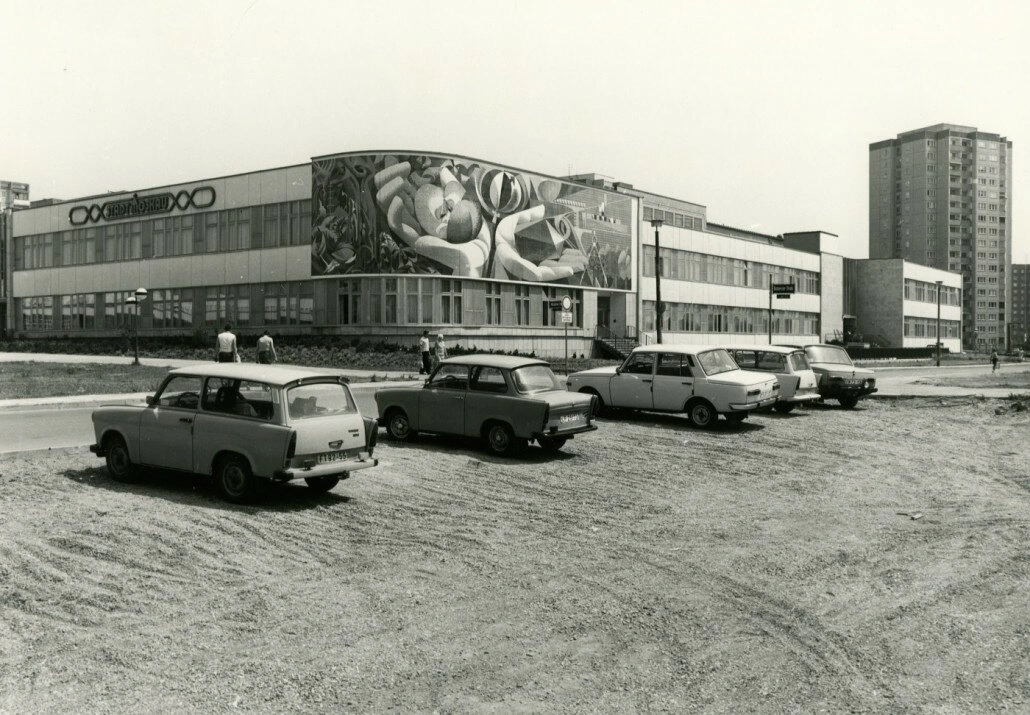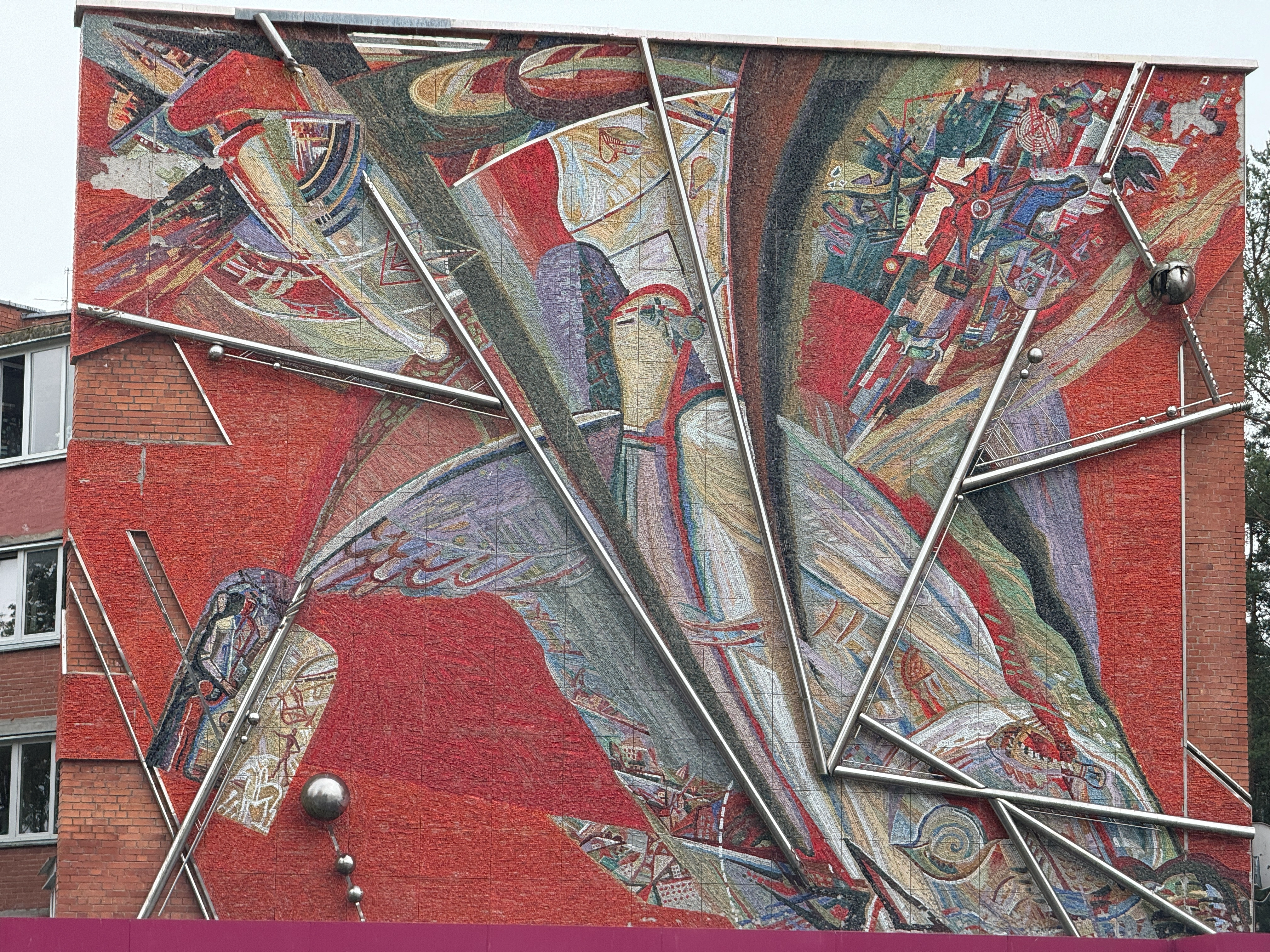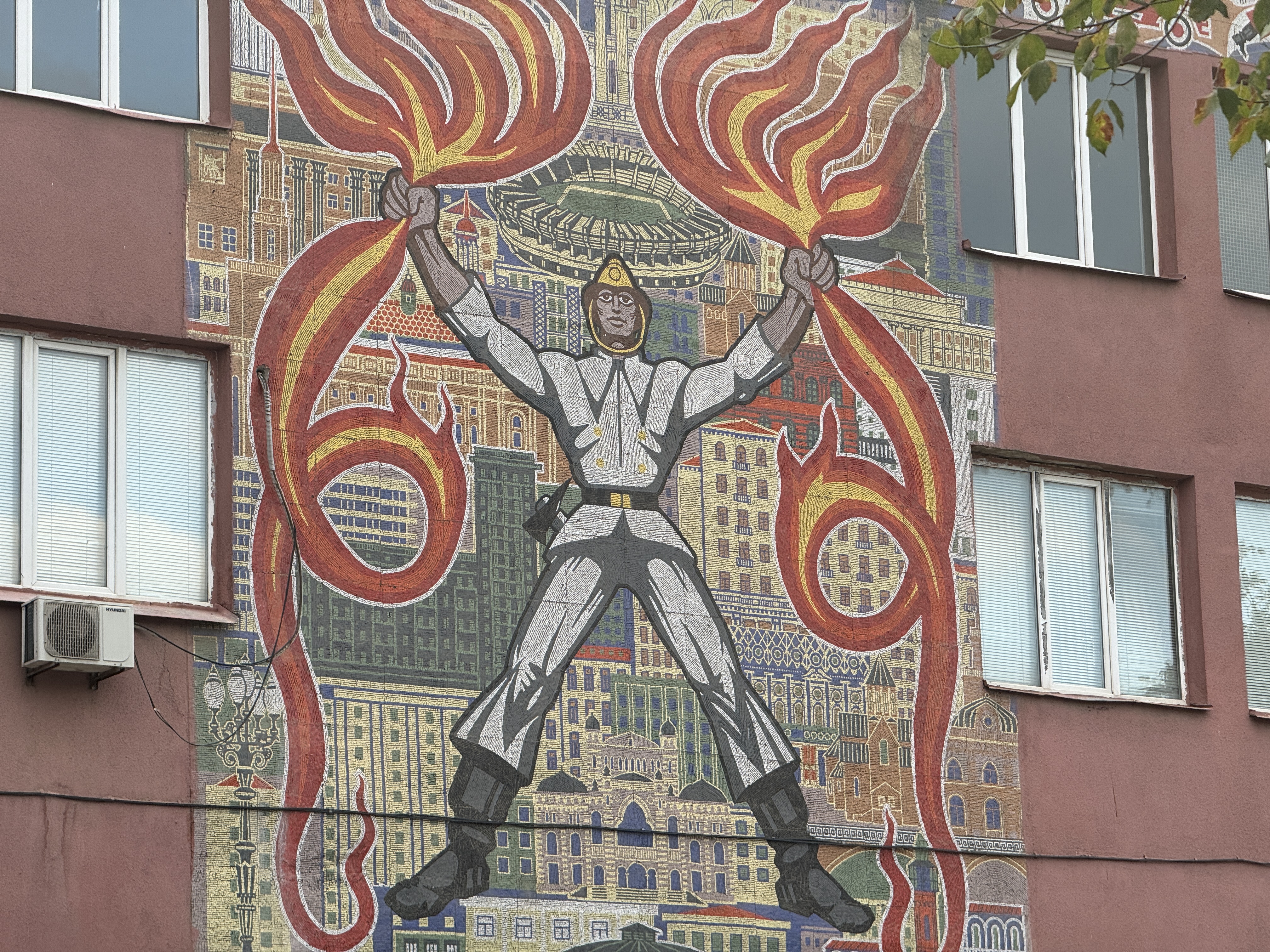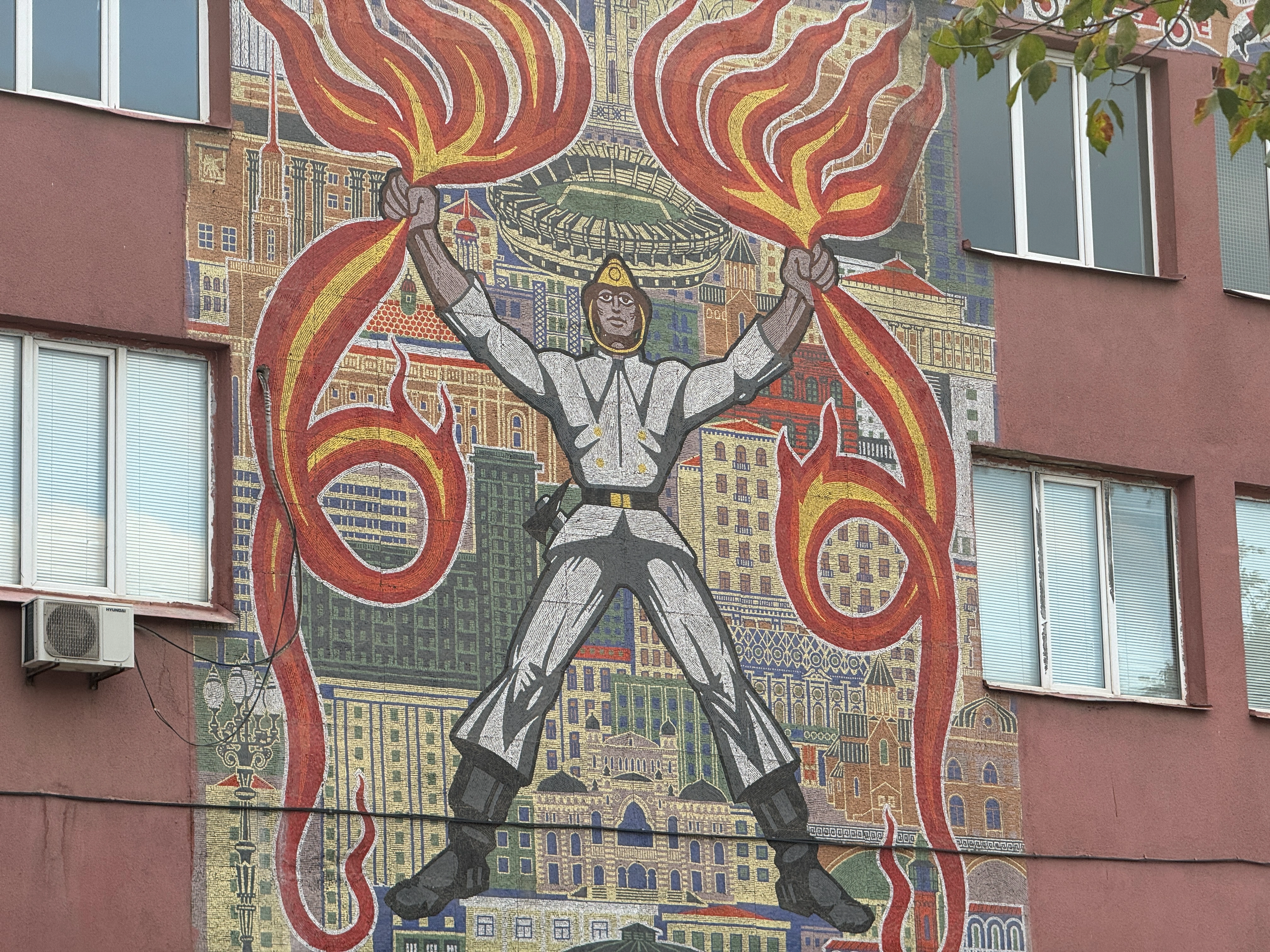
Scattered across the vast landscape of the former USSR, monumental mosaics stand as vibrant, complex relics of a bygone era. Originally commissioned to weave communist ideology directly into the fabric of daily life, these sprawling public murals transformed everyday spaces into utopian canvases. From the soaring arches of urban metro stations and grand Palaces of Culture to isolated, experimental rural bus stops, millions of glass smalt and ceramic tiles were meticulously assembled to project the ideals of the Soviet state.
Emerging prominently in the 1930s, suppressed during Khrushchev’s campaign against architectural extravagance, and experiencing a massive resurgence in the 1960s and 70s, the medium evolved into a highly lucrative and creative outlet for state-sanctioned artists. While rooted in the strict aesthetic guidelines of socialist realism—depicting triumphant astronauts, robust factory workers, diverse ethnic brotherhoods, and the glorification of heavy industry—artists frequently infused these colossal works with localized cultural motifs, abstract geometry, and subtle regional craftsmanship.
Today, this unique cultural heritage is rapidly disappearing. Following the collapse of the Soviet Union in 1991, the centralized funding that created these masterpieces vanished. Now, these captivating structures face a precarious future. Due to privatization, natural decay, and sweeping decommunization laws in post-Soviet states, many of these monumental works of art are crumbling, being actively covered by commercial billboards, or facing demolition. Documenting these vivid, monumental facades offers a crucial final glimpse into the breathtaking scale and complex history of Soviet-era public art before it fades from the urban landscape forever.